


Updated: 14 Nov 2026, 12:05 AM IST — Added the YouTube Short.
Steps for the body… calm for the mind.
Everyone knows a morning walk helps with blood sugar and blood pressure. But can the same walk ease stress, fix your sleep and clear your head? Here is what the research says.
Picture a park at dawn. One man strides along with a phone pressed to his ear, loudly arguing about office trouble. Beside him, an older man strolls slowly, watching birds in the trees. Both are walking. We all know which one goes home at peace.
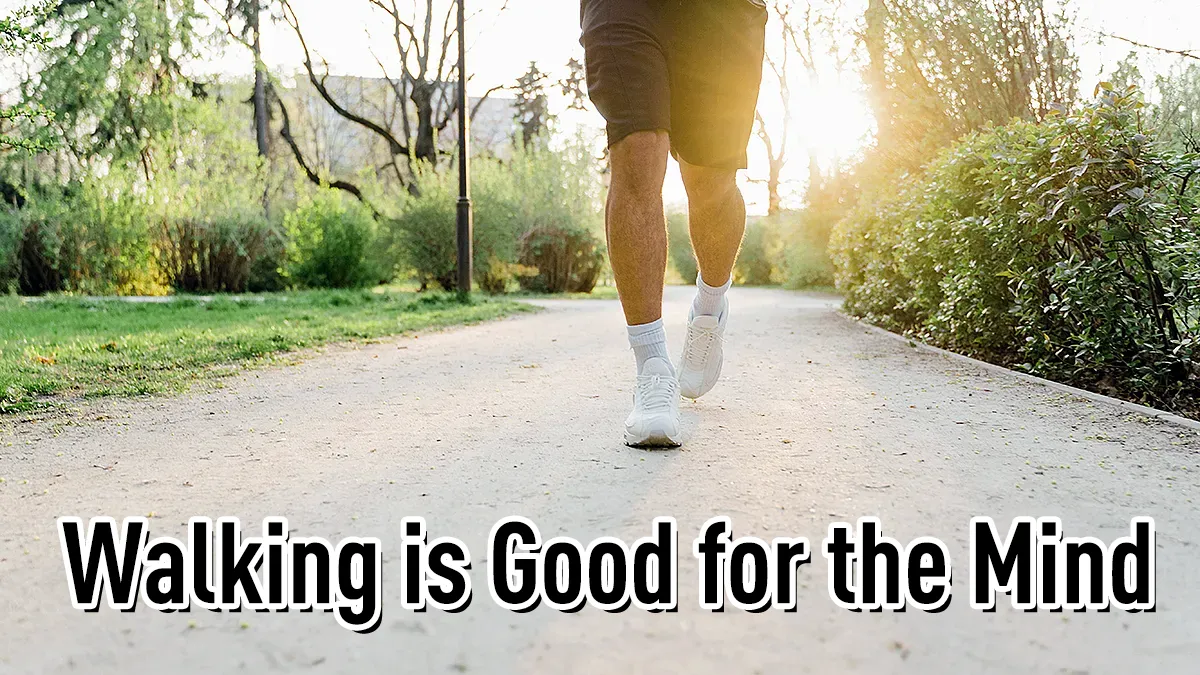
Walking is not just about counting steps. It is also a small break for the mind.
What the WHO says
The World Health Organization is clear that physical activity is good not only for the heart and body but for the mind. It eases symptoms of anxiety and depression, and sharpens thinking and learning. The WHO makes one more point worth remembering: some activity is better than none, and walking counts. In other words, the simplest thing you can do for your body and your mind lies just beyond your front door.
More steps, less depression
In December 2024, JAMA Network Open published a large review that pooled 33 studies covering more than 96,000 adults. People who walked more each day showed fewer symptoms of depression. Those who managed over 7,000 steps a day had roughly a 31% lower risk of depression, and every extra thousand steps a day was linked to about 9% lower risk.
But honesty demands a caveat. These studies show a link between walking and a healthier mind, nothing more. They do not prove that walking alone prevents or cures depression. Depression is an illness that needs a doctor’s advice and proper treatment. Walking is a good habit that supports that care, not a substitute for medicine.
Stress eases, and a little more among trees
A systematic review of 17 studies and 1,209 adults looked at walking in nature. After walks among greenery, stress and anxiety fell. So did rumination, the habit of chewing on the same negative thought over and over. Mood lifted and optimism grew. Compared with city walking, researchers suggest nature walks may do slightly more for anxiety and brooding. But the studies used very different methods, so this is no firm guarantee.
The Japanese even have a name for it: shinrin-yoku, or forest bathing. Not with water, but with the air of the trees. Our own walks along a lake bund, rounds of a temple, or strolls along the ridges of a paddy field are much the same thing.
Sleep improves
A study in Britain worked with 104 university students who were struggling to sleep. They were split into two groups. One walked in nature, the other on city streets, for 35 minutes a day over a week. Both groups were taught to walk mindfully, paying attention to each step.
The result? Both groups slept better, felt better and became more mindful. Those who walked in nature gained nothing extra. The researchers also found that better sleep was what lifted the students’ mood.
It was a small study, and most participants were young women, so we cannot say everyone will see the same. But one thing is clear: “There’s no park near my home” no longer works as an excuse.
“How you walk may matter more than where.
A new path for ideas
Most of us know the feeling: a knot that refuses to loosen after hours at a desk suddenly comes undone on a walk. Science backs this up. In 2014, Stanford researchers ran four experiments with 176 people. While walking, they came up with about 60% more new ideas on average than while sitting, and the boost lingered for a while after they sat back down.
There is a catch. Walking helped people find fresh ideas and new directions. It did not help with focused thinking, the kind that hunts for a single right answer.
“When you are stuck on what to do, walk. Once you know what to do, sit down and do it.
Walking as meditation
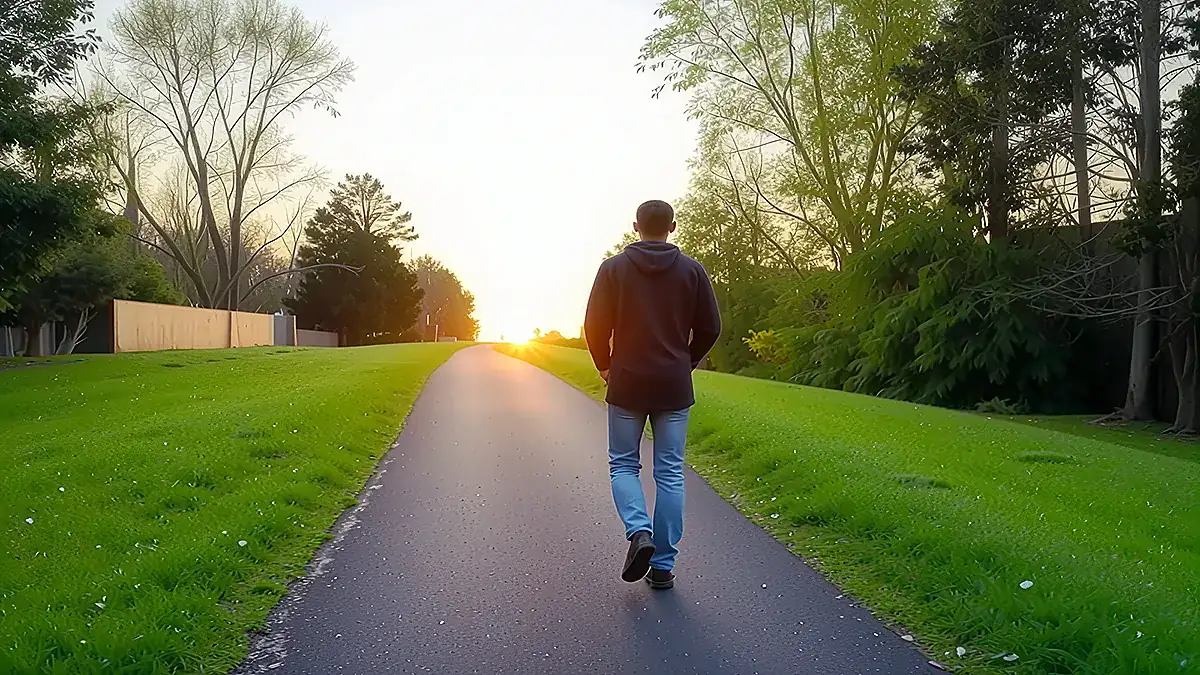
We tend to think meditation means sitting still with eyes closed. Many people find that hard; within ten seconds the mind has wandered off. For them, walking is an easier way in.
Buddhist tradition has walking meditation: moving while noticing every step and every breath. The ground underfoot, the breeze on your face, birds calling in the distance, the smell from a roadside tea stall. Notice these, and yesterday’s hurts and tomorrow’s fears step aside for a while. That is exactly what the students in the sleep study were doing.
There is a technical snag, though. Many of us carry our phones on walks just to count steps. A smartwatch or fitness band can do that job instead. Keep the phone on silent in your pocket; for older people walking alone, having it close is also a matter of safety. But switch off notifications on the watch too. Glance at your wrist every minute, fretting that you are two thousand steps short, and the phone problem has simply moved to your wrist. Check the count after the walk, not during it.
Start this week
You don’t need a grand plan. Starting small and sticking with it beats vowing to walk an hour a day and quitting on day three. No time? This begins with ten minutes.
- Monday–Tuesday: Walk slowly around the house or block for 10 minutes after a meal. That’s all.
- Wednesday–Thursday: Stretch it to 20 minutes. Phone on silent; spend part of it noticing your breath and your steps.
- Friday–Saturday: 30 minutes at a brisker pace, fast enough that you can talk but not sing. Half an hour on five days a week meets the WHO’s guideline of 150 minutes of moderate activity.
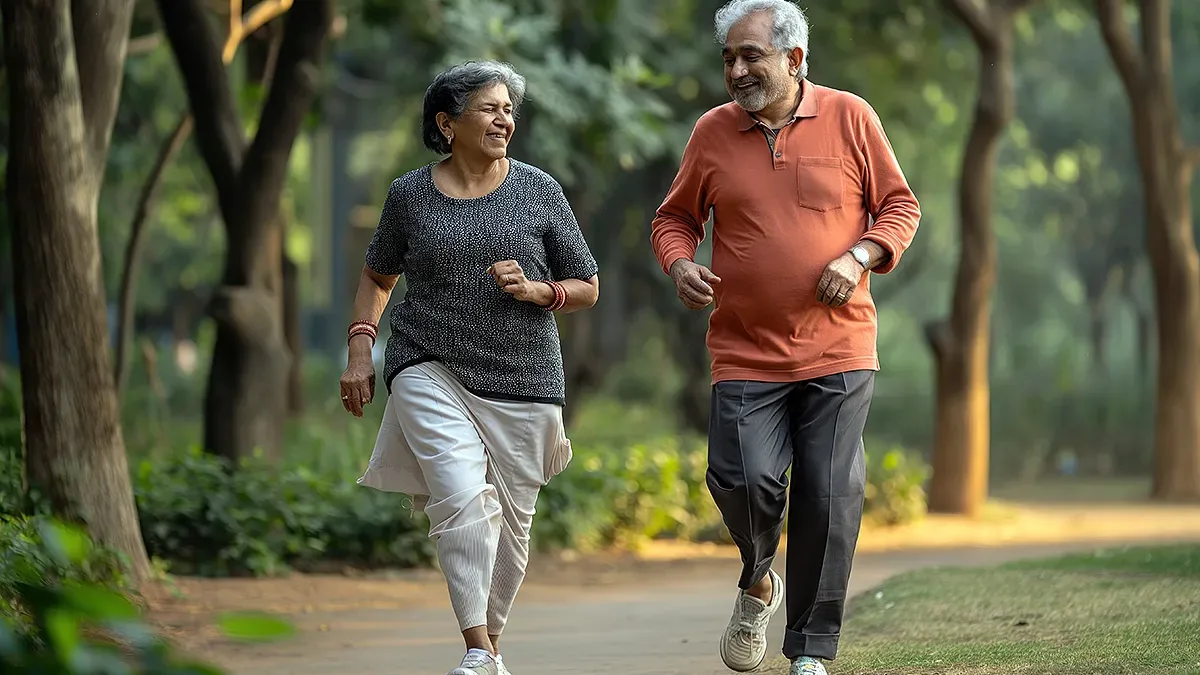
- Sunday: Take the family to a nearby park or lake. Walking, talking and greenery, all at once.
If you have knee pain, heart trouble or other health problems, check with your doctor before you start. Stop if it hurts; looking after your knees matters too.
One last word
We pay gym fees, buy expensive apps and try all sorts of things to beat stress. Yet a free, healthy habit is waiting just outside the door. It’s called walking. The mind needs this movement as much as it needs rest.
“For the body, walking is exercise. For the mind, it is rest.
Tomorrow morning, put your phone on silent and slip it into your pocket. Let the watch count the steps while you notice the path, the air, the morning. When you come home, a little calm will come home with you.
If you have been feeling low for a long time, don’t rely on walking alone. Please talk to a doctor or a counsellor.
Also read
Watch the YouTube Short – Is Walking Good for the Mind Too?
More articles


Get new Maro Maata stories on your phone 👉 📲 Join our WhatsApp channel · ▶️ YouTube · X