


American voters turned against Republicans over household costs, the Iran war and concerns about government corruption. The result gives New Delhi more room to make its case in Washington. The test is whether anything changes on tariffs, visas or security.
Donald Trump spent the midterm campaign asking Americans to vote as though his name were on the ballot. When the results came in, he pointed out that it wasn’t. Had he been on it, he said, Republicans would have won easily. Trump had invited voters to judge his presidency. They did so on the evidence available to them, from the price of groceries to the cost of filling a tank.
Democrats won both the House and the Senate on November 3. They flipped Republican-held Senate seats in Kansas, Iowa, Texas, Ohio, Maine, North Carolina and South Carolina. Kansas elected a Democratic senator for the first time in nearly a century. A president’s party often loses seats in a midterm. Losing both chambers and giving up ground in Republican strongholds made this a sharper rebuke.
Why voters turned away
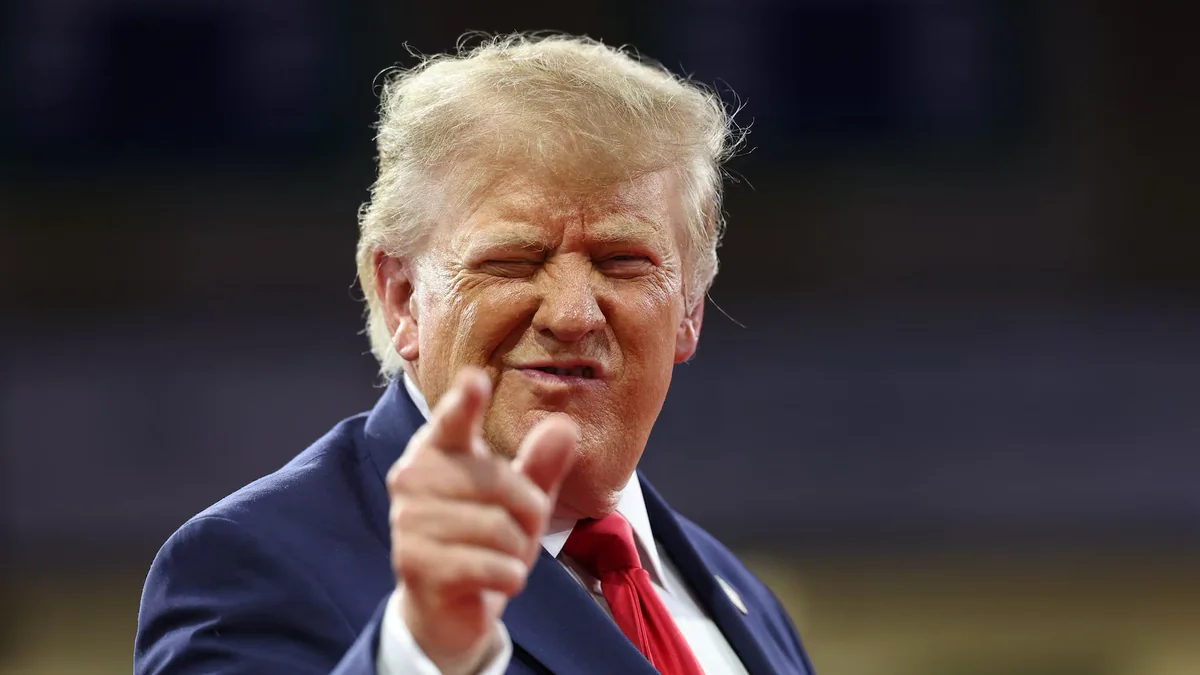
The cost of living and the Iran war reinforced each other. Trump had promised lower prices, yet groceries, healthcare and fuel remained pressing concerns. The war disrupted shipping through the Strait of Hormuz and put more pressure on fuel prices. Trump presented tariffs as a way to make other countries pay. American importers pay them at the border, and some of that cost reaches American households. Voters could judge both policies against the bills they were already paying.
Voters also wanted Congress to exert more control over the administration. More than half told the AP Voter Poll that government corruption was crucial to their vote. About seven in ten said Congress was doing too little to check the president. Roughly six in ten said the administration had gone too far in enforcing immigration laws. Younger and Latino voters shifted towards Democrats, eroding some of the gains Trump had made in 2024.
The backlash against AI data centres mattered most in communities asked to host them. About one in four voters said the issue was crucial to their congressional vote. The local questions were practical. Who pays to expand the power grid? How much water will the facilities draw? Governments seeking data centre investment around Hyderabad and Amaravati should answer those questions before approving projects. Maro Maata warned earlier about the hidden costs these projects carry.
“Voters measured what was left of Trump’s credibility against their monthly bills.
Why Trump’s courtship of Pakistan matters to India
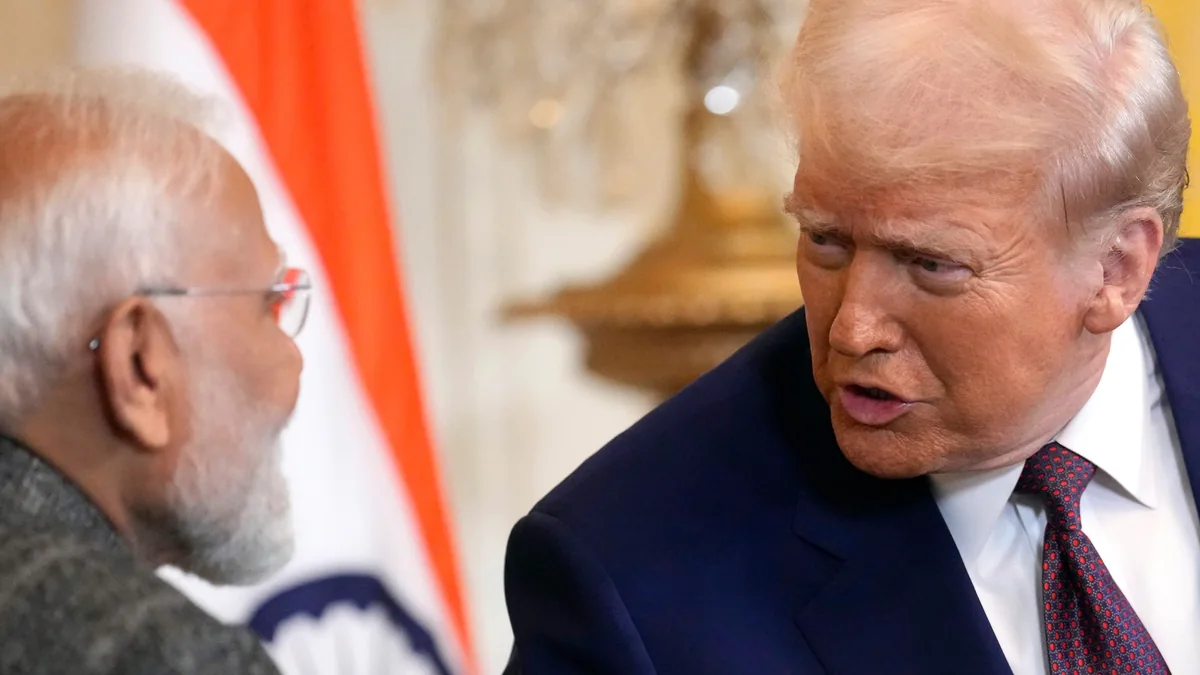
After the Pahalgam attack and four days of fighting between India and Pakistan in May 2025, Trump repeatedly claimed he had brokered the ceasefire. New Delhi rejected the claim of third-party mediation. Islamabad welcomed it. Trump subsequently hosted Pakistan’s army chief, Asim Munir, at the White House. His administration was still claiming credit for the ceasefire in its list of achievements released before the midterms. Taken together, the public claims and the access given to Pakistan’s military leadership help explain New Delhi’s concern about Trump’s tilt towards Islamabad.
Pakistan helped facilitate US talks with Iran, giving Washington a diplomatic reason to keep that channel open. There is also a business relationship worth examining. Pakistan signed a cryptocurrency memorandum with an affiliate of World Liberty Financial, a venture linked to the Trump family. If congressional committees investigate potential conflicts between family business interests and foreign policy, that agreement could come under scrutiny. For India, the practical questions are what defence cooperation Washington extends to Pakistan and how seriously it takes Indian security concerns when tensions rise again.
Two standards on Russian fuel
In 2025, the Trump administration imposed an additional 25 per cent tariff on Indian goods because India was buying Russian crude. Combined duties on many products reached 50 per cent. Washington removed the oil-related surcharge in February 2026. Then, when US diesel prices rose in October, Trump announced a supply agreement with Vladimir Putin and temporarily eased restrictions on Russian diesel imports. His administration separately waived duties that were due to take effect under a new law targeting major buyers of Russian oil or gas. Two diesel tankers initially bound for the United States later changed course. The policy choice was still revealing. Washington opened the door to Russian fuel to ease costs at home after using tariffs to penalise India for a decision driven by its own energy needs.
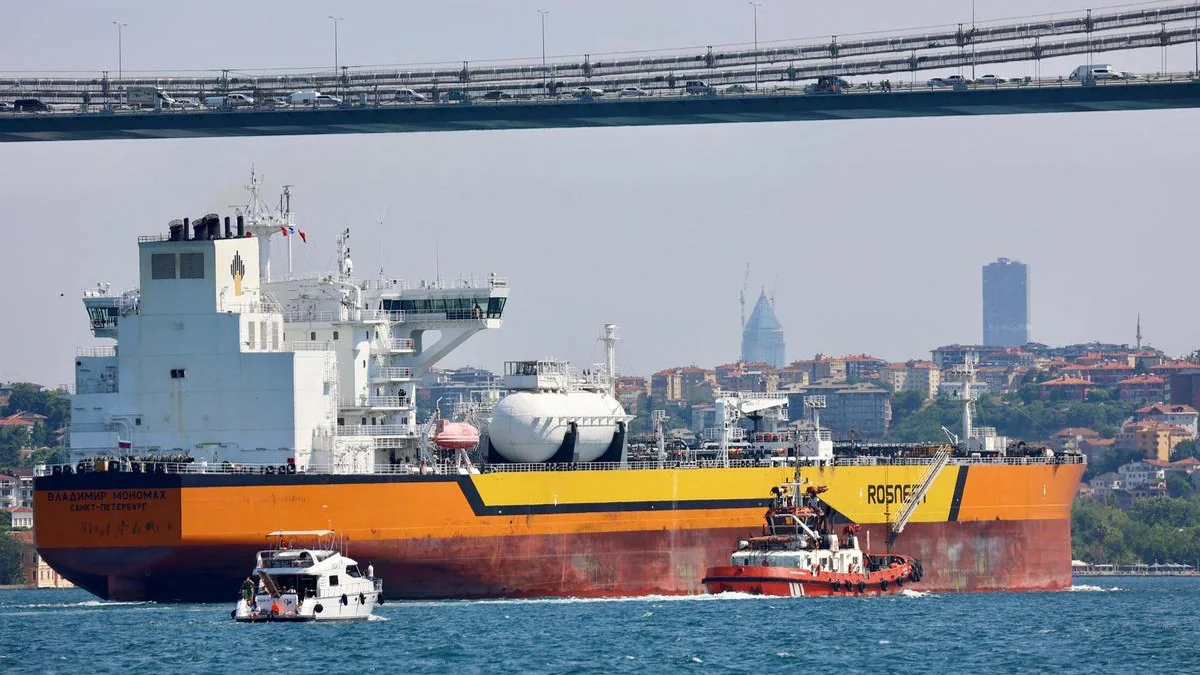
“Washington opened the door to Russian fuel to ease costs at home after using tariffs to penalise India for a decision driven by its own energy needs.
India will still have to make its case to Democrats. When Washington temporarily allowed Russian oil already aboard tankers to be sold to India during the Hormuz disruption, Democratic Senator Ruben Gallego challenged the waiver. He wanted to cut Moscow’s oil revenue. New Delhi needed reliable supplies at a price India could afford. If the war eases and shipping through Hormuz returns to normal, lower pressure on India’s oil import bill would be one of the most tangible benefits.
What could change for Indian exporters and workers?
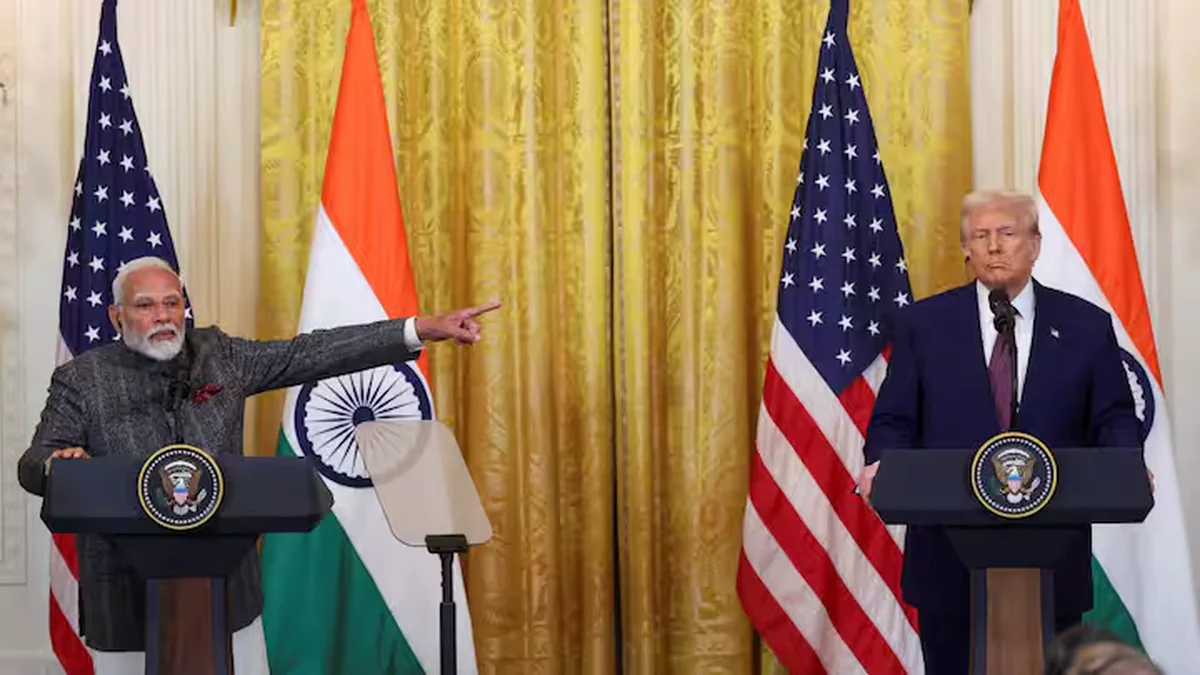
Trade. The February framework proposed an 18 per cent tariff on certain Indian goods. That rate never took effect. The US Supreme Court ruled that the emergency powers law Trump had relied on did not authorise his sweeping tariffs. In July, Washington imposed an additional 10 per cent duty on many Indian goods under a separate law, Section 301. The interim trade agreement remains unsigned. Commerce Minister Piyush Goyal says India will protect its farmers, while access for American agricultural products remains a central issue. A president looking for a deal after a domestic setback may give India some leverage. Its value will show up in the safeguards for farmers and the certainty exporters have when they quote a price.

H-1B visas. Courts have blocked the administration from collecting the $100,000 charge on certain new petitions. A Democratic Congress can block new statutory restrictions and question officials about existing rules. What applicants face will still depend on court decisions and how the administration responds. For Indian professionals and their employers, predictability has a practical meaning. The rule in force when someone accepts a job should still be in force when the petition is filed.
Defence. India–US defence cooperation has bipartisan support. Both countries have reasons to work together in the Indo-Pacific as China’s influence grows. That relationship gives New Delhi a basis for raising its concerns about Pakistan with lawmakers as well as with the administration.
Where Indian Americans stood
In an October Carnegie–YouGov survey, 62 per cent of US citizens of Indian origin said they intended to vote for the Democratic candidate in their House district, against 19 per cent for the Republican. Pia Dandiya won in Florida and Amish Shah in Arizona. Ro Khanna, Pramila Jayapal and Suhas Subramanyam were re-elected. In Ohio, Republican Vivek Ramaswamy lost the governor’s race. Khanna’s Republican opponent in California, Ritesh Tandon, was also of Indian origin. The survey captures a pre-election preference. Individual races were also shaped by the politics of their states and districts.
The contest taking shape for 2028
Vice President JD Vance blamed the Iran war for the Republican defeat. Trump acknowledged the effect on fuel prices and said he would make the same decision again. Vance is among the leading prospects for the Republican nomination, and Secretary of State Marco Rubio is also discussed. If Vance runs, he will need to keep Trump’s supporters while winning back voters who moved away from the party. His criticism of the war after the midterms invites a question about his role before them. What did he do as vice president when the decision was being made?
Democrats have a credible chance of winning back the White House. Gavin Newsom, Kamala Harris, Josh Shapiro, Andy Beshear and Alexandria Ocasio-Cortez are among the names being discussed. Jon Ossoff’s re-election in Georgia drew attention, although he has said he is not running for president in 2028. The party’s best argument in the next election will come from what it does with the power voters have just given it, particularly on healthcare and household costs.
For India, their records offer a better guide than their names. Vance has discussed closer defence and energy ties with Prime Minister Narendra Modi and pressed for greater access to India’s market. Ossoff led an economic delegation to India and pushed for lower Indian tariffs on pecans on behalf of Georgia growers. Ro Khanna called for Trump’s tariffs on India to be lifted and favours changes to H-1B rules to protect American workers. Each position reflects the interests a US politician has to answer to at home.
Maro Maata’s view
When the new Congress takes office on January 3, Democrats will be able to investigate administration decisions, call officials to testify and shape spending bills. That gives them leverage over future funding for the Iran war. Trump remains president until January 20, 2029, and overriding his veto requires a two-thirds majority in each chamber. The election changes how closely the White House can be held to account. Changing policy will still take votes, negotiation and, in some cases, action by the administration itself.
“For now, India has gained some room to negotiate.
New Delhi can use that opening by working with Congress, state governments and Indian American communities alongside the White House. A trade deal should protect farmers and give exporters terms they can plan around. India’s energy choices should reflect its supply needs and what it can afford. Its security concerns about Pakistan need a hearing across party lines in Washington.
American voters judged Trump by what his decisions cost them. India should judge this election just as practically, by the tariff an exporter pays, the visa rule a professional has to live with and the weight Washington gives to India’s security concerns.